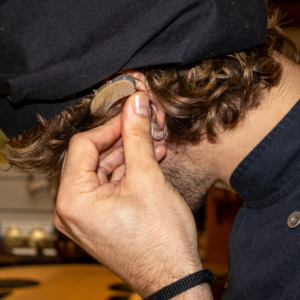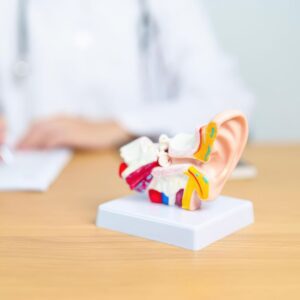

Advanced hearing aids are engineered to support your distinct hearing loss challenges. No matter if you recently acquired hearing aids or have relied on them for decades, should your hearing aids generate headaches or any form of soreness, effective options exist. A fully optimized hearing aid fits effortlessly inside your ear and delivers the exact volume boosts your individual condition demands. When your experience differs, you ought to confirm that your specific hearing aid model is suitable and that a certified hearing instrument specialist modified its parameters.
Primary warning signs your hearing aid needs fine-tuning
Should your hearing aids fit poorly, hearing aids cause headaches, lack proper operation, or go without recalibration for an extended period, several problems can occur:
Compromised Audio Quality. Hearing aids that are poorly tuned often exaggerate loud sounds, yielding high-pitched screeching that causes significant discomfort and ear irritation. Furthermore, hearing aids with these improper settings can render soft sounds completely impossible to hear.
Acoustic Feedback Issues. Your selected hearing aid can collect and boost environmental ambient noise, creating uncomfortable, high-pitched squealing phenomena.
Headaches Combined with Tinnitus. Hearing aids capturing ambient noise and boosting it beyond natural thresholds can hurt your ears while causing headaches and buzzing tinnitus. This typically occurs in hearing aids with internal control settings that have been set too high.
Understanding Over-the-Counter Hearing Aids
Though over-the-counter hearing aids, widely known as basic sound amplifiers, provide fast access and lower upfront costs compared to clinical hearing aids, they cannot address your unique hearing loss profile.
Maximizing real-world hearing clarity requires far more than generic sound amplification. In many types of hearing loss, affected individuals primarily struggle to register isolated acoustic frequencies. Specific hearing aid profiles must be implemented to empower the wearer to hear clearly across shifting acoustic surroundings.
Seeking Professional Fitting for Your Hearing Aid
A primary strategy for obtaining a proper fit involves having your personalized hearing aid fitted by a qualified hearing instrument specialist. Specialized impressions are taken of your unique ear anatomy to construct a tailored hearing aid shell. This custom approach ensures you avoid tight-fitting hearing aids that cause headaches. Once an ideal anatomical fit is achieved, your dedicated hearing instrument specialist will program the hearing aid response so you can separate unwanted environmental noise from priority sounds.
Your hearing aid should also make automatic adjustments, which will allow you to hear background noises in different environments without interference. Achieving this level of performance can necessitate several consultations with your hearing instrument specialist to confirm your chosen hearing aid fits your routine. If you have significant hearing loss, the adjustments to your hearing aid will be completed in stages to allow your brain time to adapt to louder sounds.