News & Events

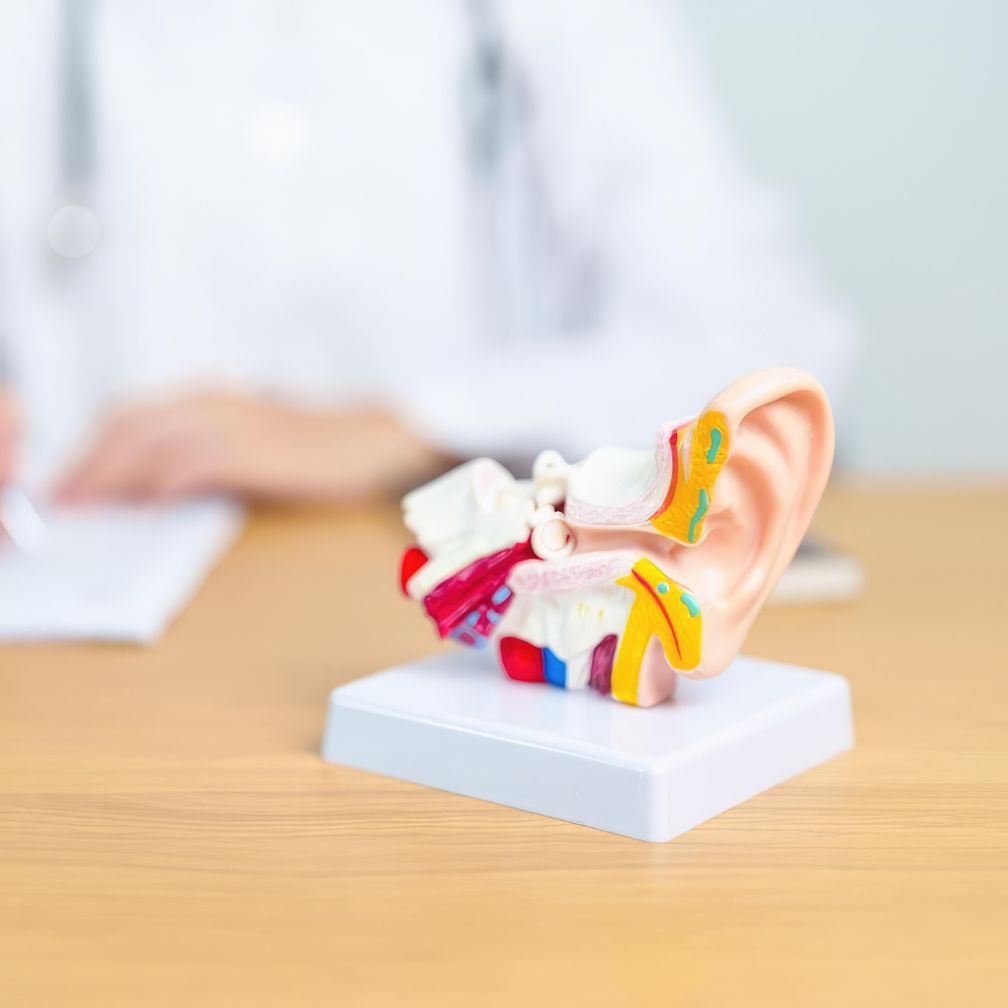
A detailed anatomical model of a human ear sits on a desk, with a person in a white coat and stethoscope blurred in the background, suggesting a medical or clinical setting.

How Your Unique Outer Ear Anatomy Shapes Your Daily Hearing Experience

You might have read that canines with dropping ears fail to isolate high-frequency audio as effectively as breeds with pointed, vertical ears. It is a fascinating evolutionary trait that cats, dogs, and rodents actively adjust their ear positioning to effortlessly capture acoustic data from the front, sides, and rear. It is crucial to realize that

Close-up of a persons hands gripping a steering wheel inside a car, with the background blurred, suggesting motion or focus on driving.

Vehicle Acoustics and Your Health: Assessing Car Noise and Hearing Loss Risk

You love your car. You wouldn’t trade the freedom you feel when you’re driving for anything, but could your car be damaging your hearing? Let’s look closely at how modern transit modes provoke vehicle-related hearing loss, while introducing straightforward habits to reverse this trend. Convertibles: Assessing High-Velocity Wind and Engine Noise As with many of

An older woman with gray hair and glasses smiles while holding a hearing aid to her ear. She wears a black top and sits indoors near a window with natural light coming in.

Does Medicare Pay for Hearing Aids? Coverage, Costs & Options

One of the most common questions we hear is: Does Medicare cover hearing aids? The short answer is no, Original Medicare generally does not cover hearing aids or hearing aid fittings. This often comes as a surprise to many people who are beginning to explore treatment options for hearing loss. However, that’s not the end

A younger woman is talking emotionally to an older woman who looks away with a serious expression. They are sitting together on a couch in a bright living room.

Cognitive Hearing Loss: What Happens Beyond the Ears

Most people think of hearing as something that happens only in the ears. While the ears are essential, hearing is actually a complex process that also depends heavily on the brain. Cognitive hearing refers to the brain’s ability to interpret and make sense of the sounds it receives. In some cases, a person may have

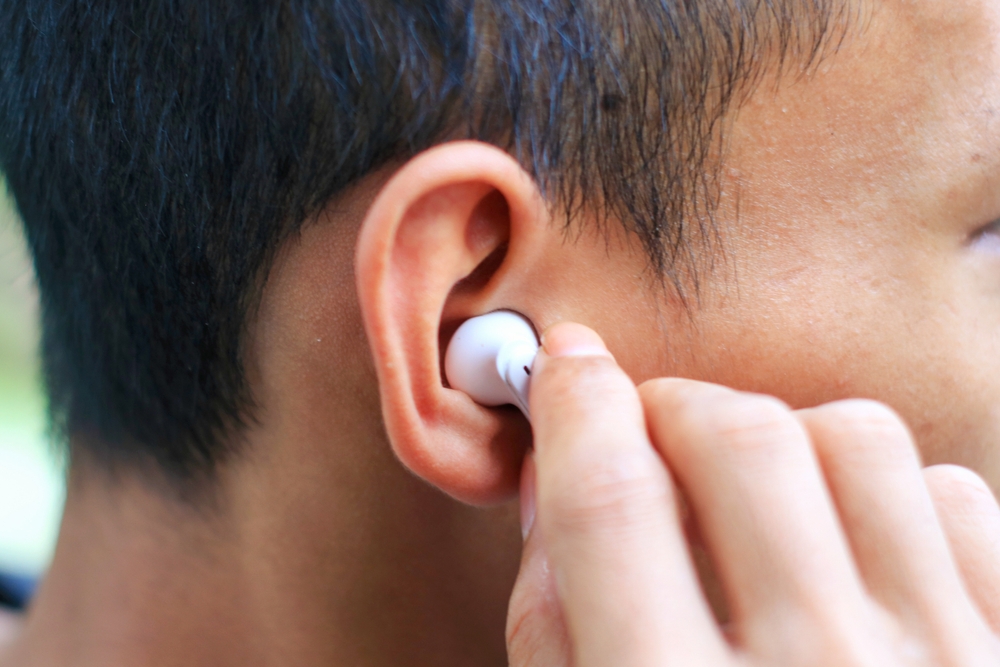
A close-up of a person inserting a white wireless earbud into their ear, with their hand holding the earbud and part of their face and hair visible.

Can Headphones and Earbuds Cause Hearing Loss?

Whether it’s earbuds during a workout, headphones on a commute, or music playing while studying, personal audio devices have become part of everyday life. While people of all ages enjoy listening to music, podcasts, and other audio content, younger generations often spend several hours a day using these devices. This raises an important question: Can

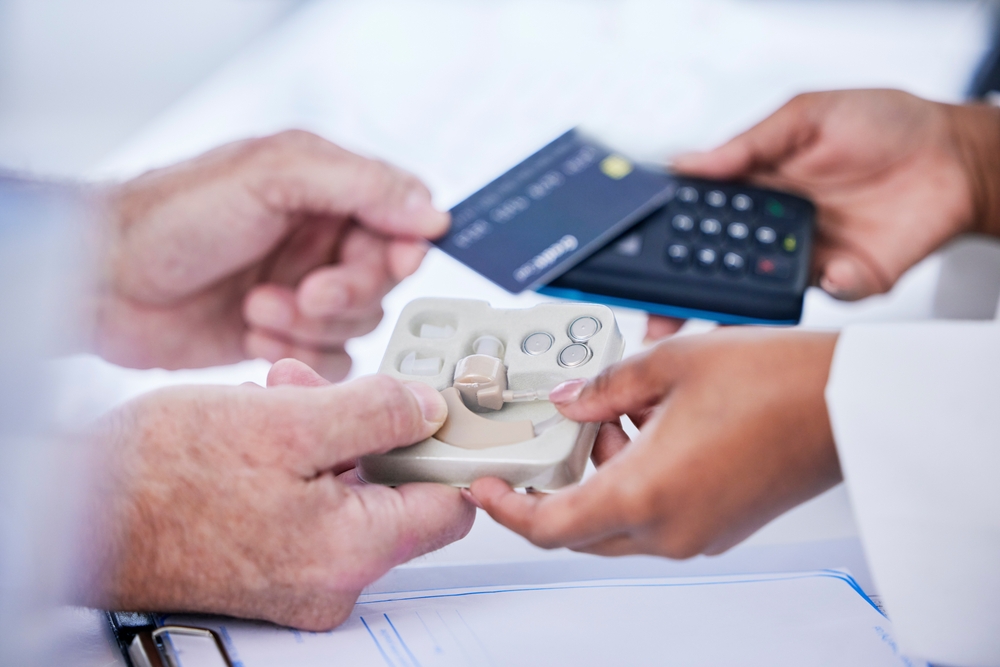
A person pays for a hearing aid device using a credit card and a card reader held by another person, with paperwork visible on the table below.

Ways to Pay for Hearing Aids: HSA, FSA, Insurance & Financing Options

For many people considering hearing aids, cost is one of the biggest concerns. The price of hearing devices can vary depending on the technology, features, and level of professional care included. While the investment may seem significant at first, there are several ways to make hearing aids more affordable. The good news is that many

A smiling older woman with gray hair is having a hearing aid placed behind her ear by another persons hand.

The Connection Between Hearing Aids and Cognitive Health

Most people understand hearing as a function of the ears. What is often overlooked is the essential role the brain plays in the process. The ears collect sound, but it is the brain that interprets those signals and transforms them into speech, meaning, and memory. When hearing loss reduces the quality of incoming sound, the

A woman with glasses adjusts a hearing aid behind her ear using her hand. She has light brown hair and is wearing a white top, hoop earring, and a smartwatch.

Advanced Hearing Solutions: Enhancing Comfort and Everyday Wearability

It’s common for people to delay getting hearing aids because they worry about how they will look or feel. Many still associate hearing devices with the bulky, noticeable models of decades past. Some even fear that wearing a visible hearing aid may cause others to view them differently or exclude them from conversations. These concerns

A man and woman sit closely together in a movie theater, both looking surprised and slightly scared. The man holds a tub of popcorn while the woman clings to his arm. Other people with drinks sit behind them.

Going to Movie Theaters with Hearing Aids

Going to the movies is a beloved pastime for many people. The excitement of seeing the latest blockbuster on the big screen, the smell of buttery popcorn, and the shared experience with friends and family make it a special outing. However, for those wearing hearing aids, a trip to the theater can pose some unique

A lively crowd of young adults at a concert, smiling and cheering near the front. Several people hold up smartphones to take photos or videos, and colorful lights create an energetic atmosphere.

How to Protect One’s Hearing at Concerts

Concerts are known for their loud and dynamic soundscapes. Unfortunately, exposure to high decibel levels can harm a person’s hearing. Prolonged exposure to sounds over 85 decibels can cause hearing loss. Concerts often exceed this threshold, reaching levels between 100 and 120 decibels. It is critical to be aware of these risks to take appropriate