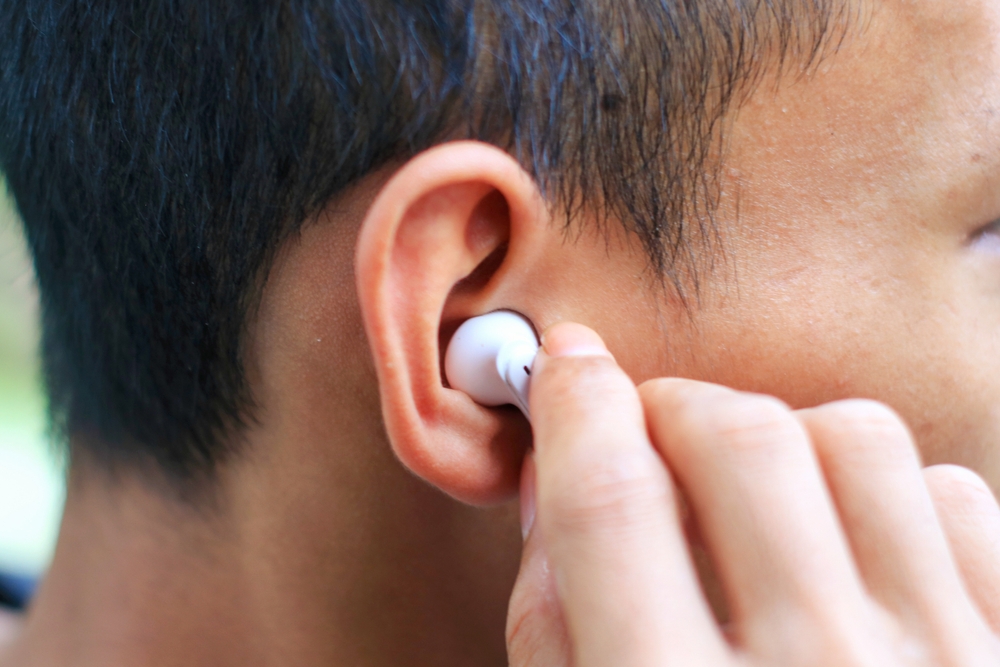
Whether it’s earbuds during a workout, headphones on a commute, or music playing while studying, personal audio devices have become part of everyday life. While people of all ages enjoy listening to music, podcasts, and other audio content, younger generations often spend several hours a day using these devices.
This raises an important question: Can headphones and earbuds cause hearing loss?
The answer is not necessarily the device itself—it’s how loudly and how long you listen that matters most.
How Loud Sounds Can Damage Your Hearing
Listening to music and audio content can provide entertainment, relaxation, and even stress relief. Using headphones or earbuds is also a convenient way to enjoy audio without disturbing those around you.
However, prolonged exposure to loud sounds can damage the delicate structures inside the inner ear.
Noise-induced hearing loss (NIHL) occurs when high sound levels damage the tiny sensory hair cells responsible for transmitting sound signals to the brain. Unlike some injuries, this damage is often permanent and cannot be reversed.
One of the biggest concerns is that hearing loss typically develops gradually. Many people don’t notice changes in their hearing until significant damage has already occurred.
Understanding the Risks of Personal Audio Devices
When it comes to hearing health, both volume and listening duration play important roles.
The louder the sound, the less time it takes to cause damage. Even moderate listening levels can become problematic when exposure continues for extended periods.
Some important hearing safety guidelines include:
- Sounds below 70 decibels are generally considered safe for most people.
- Higher volumes can damage hearing more quickly.
- Listening at maximum volume significantly increases the risk of hearing loss.
- Daily exposure to loud audio can create cumulative damage over time.
Follow the 60/60 Rule
A simple way to protect your hearing is to follow the 60/60 Rule:
- Listen at no more than 60% of your device’s maximum volume
- Limit continuous listening sessions to 60 minutes at a time
- Take regular listening breaks throughout the day
These small adjustments can help reduce your risk of long-term hearing damage while still allowing you to enjoy your favorite audio content.
Signs You May Be Experiencing Hearing Damage
Early symptoms of hearing loss can be subtle and easy to overlook.
Watch for signs such as:
- Ringing or buzzing in the ears (tinnitus)
- A feeling of fullness or pressure in the ears
- Difficulty understanding conversations in noisy environments
- Frequently asking others to repeat themselves
- Turning up the volume higher than usual
If you notice any of these symptoms, scheduling a hearing evaluation can help identify potential problems before they worsen.
Protect Your Hearing for the Future
Personal audio devices can be enjoyed safely when used responsibly. By keeping the volume at reasonable levels, limiting listening time, and taking regular breaks, you can significantly reduce your risk of noise-induced hearing loss.
If you have concerns about your hearing or are experiencing symptoms of hearing loss, contact our office to schedule a comprehensive hearing evaluation. Early detection and treatment can help protect your long-term hearing health.
The information provided on this website is for educational and informational purposes only and should not be considered medical advice. For personalized recommendations, diagnosis, or treatment, please schedule an appointment with a qualified healthcare professional.