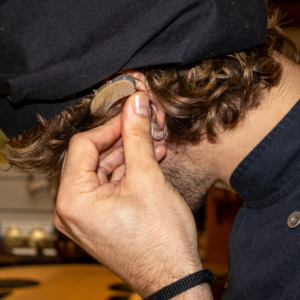

One of the most common questions we hear is: Does Medicare cover hearing aids?
The short answer is no, Original Medicare generally does not cover hearing aids or hearing aid fittings. This often comes as a surprise to many people who are beginning to explore treatment options for hearing loss.
However, that’s not the end of the story. Depending on your situation, there may be other ways to reduce the cost of hearing care, including Medicare Advantage plans, financing options, veteran benefits, and tax-advantaged healthcare accounts.
Understanding your coverage options can help you make informed decisions and find a solution that fits both your hearing needs and your budget.
Does Original Medicare Cover Hearing Aids?
Original Medicare consists of Part A (Hospital Insurance) and Part B (Medical Insurance).
Unfortunately, Original Medicare does not cover:
- Hearing aids
- Hearing aid fittings
- Routine hearing exams related to hearing aid purchases
- Hearing aid maintenance and follow-up services
What Hearing Services Does Medicare Cover?
Medicare Part B may cover a diagnostic hearing examination if it is ordered by a physician to evaluate a medical condition.
It’s important to understand that a diagnostic hearing exam is different from a hearing aid evaluation. A hearing aid evaluation focuses on identifying hearing loss and determining which hearing solution may be most appropriate for your needs.
Because of these limitations, many Medicare beneficiaries explore additional coverage options to help manage hearing care expenses.
Can Medicare Advantage Plans Help Cover Hearing Aids?
If you’re enrolled in a Medicare Advantage (Part C) plan, you may have access to hearing benefits that are not available through Original Medicare.
Many Medicare Advantage plans offer benefits such as:
- Coverage for hearing exams
- Hearing aid allowances or annual stipends
- Discounts on hearing devices
- Access to preferred hearing care providers
However, benefits vary by insurance carrier and individual plan.
Review Your Plan Carefully
Coverage may depend on:
- Using in-network providers
- Specific hearing aid manufacturers
- Annual benefit limits
- Eligibility requirements
The best way to understand your benefits is to review your plan documents or contact your insurance provider directly.
Other Ways to Pay for Hearing Aids
Even if Medicare doesn’t fully cover hearing aids, there are several options that can help reduce your out-of-pocket costs.
Health Savings Accounts (HSA) and Flexible Spending Accounts (FSA)
Hearing aids are considered qualified medical expenses, which means you can often use HSA or FSA funds to pay for them.
Using pre-tax dollars can help lower the overall cost of treatment and make hearing aids more affordable.
Veterans Benefits
Many veterans may qualify for hearing evaluations, hearing aids, and ongoing hearing care through the Department of Veterans Affairs (VA).
Eligibility requirements vary, but veterans should explore available benefits before purchasing hearing aids independently.
Financing and Payment Plans
Many hearing care providers offer financing options that allow patients to spread payments over time.
Monthly payment plans can make advanced hearing technology more accessible without requiring a large upfront investment.
Community and Charitable Assistance Programs
Several nonprofit organizations and state-sponsored programs provide financial assistance for hearing care.
Depending on eligibility requirements, these programs may help cover part or all of the cost of hearing aids and related services.
Are Over-the-Counter Hearing Aids Worth Considering?
Over-the-counter (OTC) hearing aids have become a popular lower-cost option for adults with perceived mild to moderate hearing loss.
Benefits of OTC devices include:
- Lower upfront costs
- Convenient purchasing options
- Immediate availability
However, OTC devices are not customized to your hearing needs and typically do not include professional fitting or ongoing support.
For individuals with moderate to severe hearing loss—or those experiencing sudden or uneven hearing changes—professionally fitted hearing aids often provide better long-term outcomes.
Before purchasing an OTC device, it’s a good idea to schedule a comprehensive hearing evaluation to determine the most appropriate solution for your specific hearing needs.
Let Us Help You Understand Your Hearing Aid Benefits
Navigating insurance coverage and hearing aid costs can feel overwhelming, but you don’t have to do it alone.
Our team regularly helps patients review insurance benefits, explore financing options, and identify affordable treatment solutions. Bring your insurance information to your appointment, and we’ll help you better understand what coverage may be available.
Schedule a hearing evaluation today to learn more about your hearing health and explore the options that best fit your needs and budget.
The information provided on this website is for educational and informational purposes only and should not be considered medical advice. For personalized recommendations, diagnosis, or treatment, please schedule an appointment with a qualified healthcare professional.