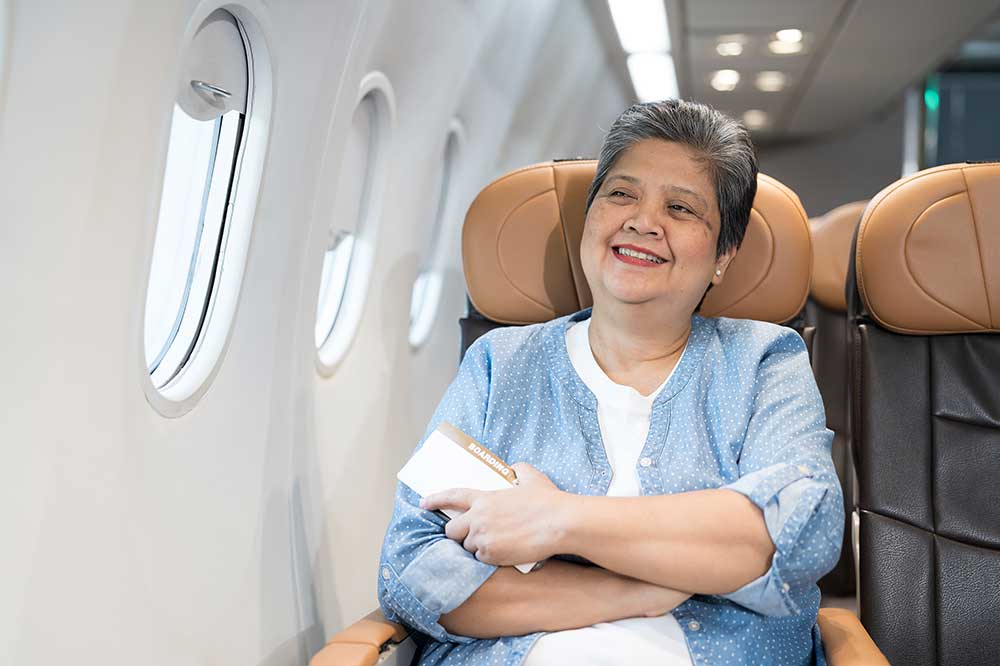
Boarding pass, passport, hearing aids: if you wear hearing aids, they’re as much a part of your travel routine as anything in your bag. In most cases, you can wear them from check-in to landing, and a little preparation makes air travel smoother. At Excel Audiology, with offices on Oleander Drive in Wilmington and in Southport, audiologists Jason Rickman, Au.D., FAAA, CCC-A, and Carol Anne Ford, Au.D., CCC-A, can check your hearing aids before a trip, adjust settings for travel, and help you pack the right supplies. Call our Wilmington or Southport office to schedule a pre-travel hearing aid check.
Is There Any Safety Concern With Hearing Aids on a Flight?
No, there is no safety concern with hearing aids on a flight, because modern hearing aids do not interfere with aircraft navigation or communication systems. You can wear them throughout security screening and the flight, and keeping them in also helps you hear announcements and communicate with airline staff.
Hearing aids don’t have to be turned off or stowed with other electronic devices during takeoff and landing. Wearing them for the whole trip also reduces the risk of misplacing them in a seat pocket or security bin.
Before a longer trip, a quick check and hearing aid cleaning can confirm that your devices are clean, working well, and programmed for your current hearing needs. Jason Rickman or Carol Anne Ford may also recommend an updated hearing test if it has been some time since your last one.
How Do You Get Through the Airport Easily With Hearing Aids?
Getting through the airport is easier when you keep your hearing aids in, including at security, where you can wear them through metal detectors and body scanners. Letting the security officer know about your hearing aids can help if additional screening is needed or if instructions are difficult to hear.
Airports can be loud and busy, which makes it easy to miss important updates. A few steps can help:
- Tell security officers and gate agents about your hearing loss and ask for visual cues or written instructions when needed
- Sign up for airline text alerts or use the airline’s app for gate changes and delays
- Look for hearing loop signs, marked with a blue ear and the letter “T,” near check-in counters and gates
- Arrive early to allow extra time for screening and boarding
Hearing aids with a telecoil, or T-coil, setting can connect to airport hearing loop systems, sending announcements directly to your hearing aids with less background noise. Our audiologists can help you confirm whether your hearing aids have this feature and how to use it.
The Air Carrier Access Act protects travelers with disabilities, including hearing loss. Informing the airline ahead of time allows staff to share updates and safety information directly.
What Should You Do With Bluetooth Hearing Aids on the Plane?
Switch Bluetooth hearing aids to airplane mode for takeoff and landing, and keep wearing them for the entire flight. Airplane mode pauses streaming while still allowing the hearing aids to amplify sound.
Once the crew allows electronic devices, you can turn Bluetooth back on. Engine noise can be loud, so lowering the volume slightly and using a noise-reduction setting may be more comfortable than turning it up.
In-flight entertainment can be tricky because most hearing aids do not connect directly to seatback screens. Downloading shows or movies to a personal device before the flight, using captions, or wearing airline headphones over your hearing aids can help. Streaming audio can drain batteries faster, so keep a charger or spare batteries nearby.
Telling a flight attendant about your hearing loss helps make sure safety instructions are shared clearly, and an aisle seat can make demonstrations easier to see.
Does Air Pressure in the Cabin Affect Hearing Aids?
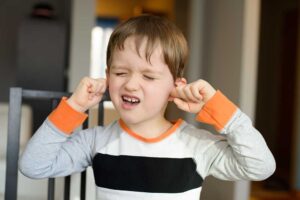
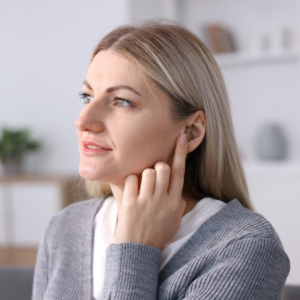
Air pressure in the cabin changes during takeoff and landing, which can cause a feeling of fullness or popping in your ears. Hearing aids are not damaged by these pressure changes, but the type and fit of the device can affect how noticeable the pressure feels.
Swallowing, yawning, or chewing gum can help equalize ear pressure. Patients who wear in-the-ear or completely-in-the-canal hearing aids may feel more pressure because the device sits deeper in the ear. If discomfort becomes significant, temporarily removing your hearing aids can allow pressure to equalize more quickly.
Pressure changes may also drain batteries more quickly. Travel brings changes in temperature and humidity, too, which can lead to moisture buildup inside hearing aids. Using a drying kit or dehumidifier at the end of each day helps protect the devices.
Which Hearing Aid Supplies Should You Bring on Your Next Trip?
Bring spare hearing aid batteries or a charger, cleaning tools, wax guards or domes, a protective case, a drying kit, and a power adapter for international trips. Pack hearing aid batteries and chargers in your carry-on luggage.
A helpful packing list includes:
- Spare batteries in their original packaging, or a charging case and power bank for rechargeable models
- A cleaning brush and soft cloth
- Extra wax guards, domes, or earpieces
- A protective storage case
- A drying kit or dehumidifier
- A travel adapter and a voltage converter if the charger requires one
- Wireless accessories, such as a remote microphone or TV streamer
Spare and uninstalled lithium-ion batteries and external chargers must be packed in carry-on bags under aviation safety rules. Keeping all hearing aid supplies in a carry-on also protects them if checked luggage is delayed or lost.
Get Hearing Aids Travel-Ready in Wilmington or Southport
Before your next trip, schedule a hearing aid check with Jason Rickman, Au.D., or Carol Anne Ford, Au.D. A pre-travel visit can confirm that your hearing aids are working properly and set up for airports, flights, and new environments.
Call our Wilmington office at 910-399-3075 or our Southport office at 910-387-9015, or contact Excel Audiology to schedule an appointment.